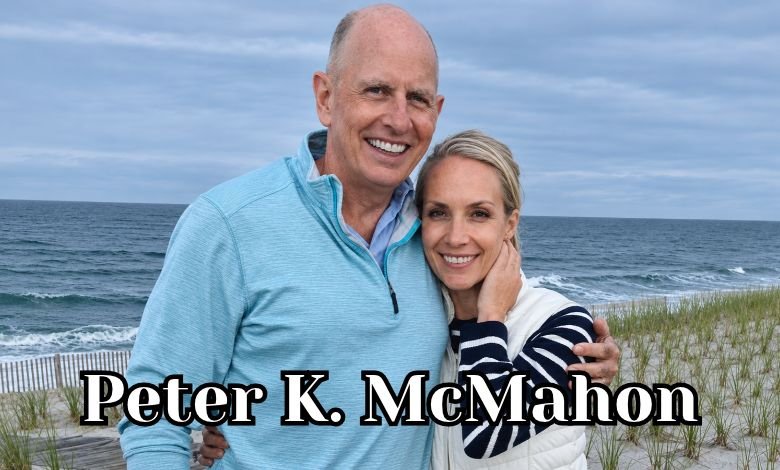
Peter K. McMahon spent decades working on the parts of retail that customers depend on but rarely see. Before becoming CEO of Shopko in 2013, he held senior roles with major retailers in Europe, Asia and Canada. His experience covered everything from moving products through a supply chain to managing stores and supporting the people who work in them.
At Shopko, McMahon took charge of a US chain with a growing interest in smaller towns. Its Shopko Hometown stores aimed to bring a useful range of products and services closer to shoppers who might otherwise need to travel farther. His career is a look at how large retailers try to serve local needs while managing a complex business.
Quick Bio
| Field | Details |
|---|---|
| Full Name | Peter K. McMahon |
| Profession | Retail business executive |
| Known For | Serving as CEO of Shopko |
| Industry | Retail |
| Career Experience | More than 30 years in international retail when he joined Shopko |
| Former Company | Loblaw Companies Limited |
| Role at Loblaw | Executive Vice President and Chief Operating Officer |
| Loblaw Responsibilities | Supply chain, store operations, merchandising and other business functions |
| Other Retail Experience | Senior roles connected with Walmart and Tesco |
| Walmart Markets | Germany and Japan |
| Tesco Market | Central Europe |
| Shopko Position | Chief Executive Officer |
| Shopko Appointment | November 2013 |
| Shopko Focus | Expanding Shopko Hometown stores for smaller communities |
Who Is Peter K. McMahon?
Peter K. McMahon is a former retail executive best known for his senior role at Loblaw Companies Limited and his appointment as Shopko CEO. When Shopko announced his arrival in November 2013, it described him as a retail veteran with more than 30 years of international experience.
His career moved across several countries and some of the industry’s largest businesses. That background made him a notable choice for Shopko, which operated several kinds of stores across the United States. Leading the company meant looking after the wider business while helping it grow a format designed for smaller communities.
Public information about McMahon is strongest when it concerns his work. Reliable company records give a clear account of his major positions, while details about his early life and private affairs are limited. His professional history tells the most useful story.
Building Experience at Walmart and Tesco
Before his work in Canada and the United States, McMahon held senior retail positions connected with Walmart in Germany and Japan and Tesco in central Europe. Each market brought its own challenges. A product range that suits one country may need changes in another, and a store network must respond to local shopping habits.
International retail also depends on steady operations. Stores need regular deliveries, employees need clear support and managers need to understand what customers are buying. McMahon’s work across different markets gave him experience with these everyday demands on a large scale.
The public record does not provide a full account of every job he held at Walmart and Tesco. What it does show is that his career had a strong international base before he moved into one of Canada’s top retail leadership roles.
His Senior Role at Loblaw
McMahon later became executive vice president and chief operating officer at Loblaw Companies Limited. The Canadian retailer listed him in that position in its 2012 corporate records. His job reached across many parts of the company, including supply chain, information technology, human resources, labor relations, merchandising, store operations and loss prevention.
Those responsibilities may sound separate, but they meet inside every store. Merchandising decisions determine what shoppers can buy. The supply chain gets those products onto shelves. Store teams help customers find them, while good systems help the business keep track of stock and sales.
A chief operating officer has to see how those pieces fit together. A delay in one area can quickly affect another. McMahon’s Loblaw role gave him broad experience in running a major retailer, and Shopko later pointed to that experience when it selected him as CEO.
Why Shopko Chose Him
Shopko announced McMahon as its new chief executive officer on November 25, 2013. At the time, the Green Bay, Wisconsin-based retailer operated almost 350 stores across 22 states. Its business included larger Shopko stores, pharmacy locations and the smaller Shopko Hometown format.
The company wanted to continue growing in markets that larger chains could overlook. McMahon’s background in supply chain management was especially relevant. Adding stores is only part of an expansion plan; each new location also needs the right goods, dependable deliveries and teams ready to serve its community.
His appointment brought an executive with experience at large international retailers into a business with a distinctly local goal. Shopko was trying to offer more choice to people in small and mid-sized communities, while still managing the costs and demands of a wide store network.
What Made Shopko Hometown Different?
Shopko Hometown was built around the needs of smaller towns. These stores offered a mix of everyday goods, such as clothing, home items, toys and seasonal products, alongside retail health services. The idea was to give residents access to more products and services closer to home.
The format existed before McMahon became CEO. Shopko had already expanded it through the conversion of former Pamida stores. McMahon therefore inherited an established plan and led the company through a later period of Hometown growth.
A smaller store has to make careful choices. It cannot hold the same range as a much larger location, so the products it stocks need to match what local shoppers are likely to need. For customers, the value is straightforward: a well-run nearby store can make routine shopping easier.
Hometown Growth During His Time as CEO
The Hometown plan remained visible soon after McMahon joined Shopko. In December 2013, the company announced plans for stores in Mayville, Wisconsin, and Valentine, Nebraska. The announcement presented those stores as a way to bring a broader selection of goods to smaller communities.
Shopko continued announcing openings in the following years. In June 2015, it said 15 Hometown stores were set to open across eight states that July. The company also reported earlier openings that year and further plans for the months ahead.
Those announcements show the pace of Shopko’s expansion during McMahon’s leadership. They do not, on their own, tell us how every location performed over time. They do show the direction the company pursued: more smaller-format stores in places where it believed customers wanted a wider local shopping choice.
The Work Behind a New Store
For shoppers, a new store may look like shelves, signs and an opening day. For a retailer, it requires many decisions before the doors open. The company must select products, arrange deliveries, hire and train staff, and make sure the store can continue to operate well after its first busy weeks.
This is why McMahon’s operations background mattered to Shopko. His earlier roles had covered both the movement of goods and the people and systems that support stores. Those skills were relevant to a chain opening locations across several states, even though the results of any individual store depended on many factors.
His Shopko career is therefore about more than the CEO title. It sits within a wider effort to turn a local shopping idea into a workable retail network.
Shopko’s Later Closure
McMahon’s documented period as Shopko CEO ran from 2013 to 2016. The company’s later difficulties happened after that period. Shopko filed for Chapter 11 restructuring in January 2019, citing debt and competitive pressure. In March 2019, it announced that it would wind down its retail operations after failing to find a buyer for the continuing business.
Those later events are an important part of Shopko’s history, but they should be described accurately. McMahon led the company during its Hometown expansion; he was not the CEO named in Shopko’s announcement of its 2019 retail closure. The public information available does not establish a direct personal cause-and-effect link between his leadership and that later decision.
A Name That Can Cause Confusion
Some online biographies combine McMahon’s retail career with details about Dana Perino’s husband, who is also named Peter McMahon. Profiles of Perino’s husband describe work in medical manufacturing and sales. Those accounts should not be folded into the career of the executive identified as Peter K. McMahon in Loblaw’s records.
The distinction is important for readers looking for a reliable biography. The Shopko executive’s confirmed story includes Loblaw, Walmart, Tesco and Shopko. Personal details about Perino’s marriage and family belong to accounts of her husband and do not establish facts about the retail executive.
Conclusion
Peter K. McMahon’s career shows the breadth of work involved in leading a major retailer. He gained international experience, held a wide-ranging operations role at Loblaw and became Shopko’s CEO as the chain expanded its Hometown stores. His documented contribution is tied to a clear retail goal: bringing more shopping options to smaller American communities.
Frequently Asked Questions
1. What is Peter K. McMahon known for?
He is known for senior retail roles at Loblaw and Shopko. He became Shopko CEO in 2013 after a career that also included positions connected with Walmart and Tesco.
2. did Peter K. McMahon do at Loblaw?
He served as executive vice president and chief operating officer. His responsibilities included supply chain, merchandising, store operations, human resources and other major business functions.
3. When did Peter K. McMahon join Shopko?
Shopko announced his appointment as chief executive officer on November 25, 2013.
4. Did Peter K. McMahon start Shopko Hometown?
No. The Hometown format existed before he joined Shopko. The company continued expanding it during his time as CEO.
5. Was Peter K. McMahon Shopko’s CEO when it closed?
No. His documented CEO period ended before Shopko announced the wind-down of its retail operations in 2019.