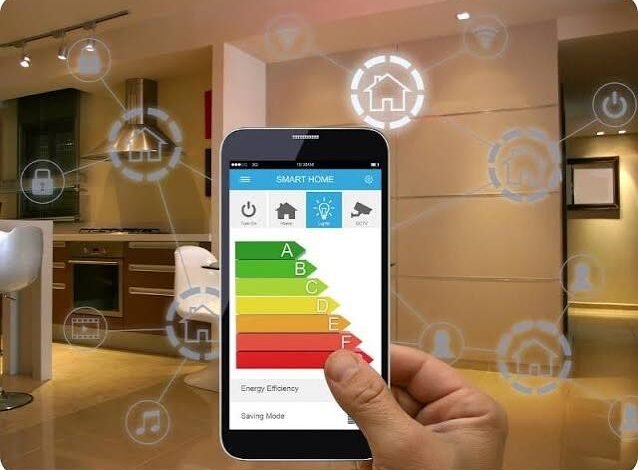
Household energy consumption can add up quickly, especially when lights, heating and cooling systems, appliances, and entertainment equipment are used throughout the day. While changing everyday habits can help reduce unnecessary energy use, smart technology provides another practical way to improve efficiency without sacrificing comfort.
Modern Home Automation systems allow homeowners to monitor, schedule, and control different parts of a property from connected devices. Instead of relying entirely on manual switches and thermostats, homeowners can create automated settings that respond to schedules, occupancy, and everyday routines.
The goal is not simply to make a home more technologically advanced. Effective Home Automation can help ensure that energy is being used when it is actually needed.
Smart Lighting That Reduces Unnecessary Usage
Lighting is one of the easiest areas to improve through smart technology. Traditional lights can easily be left switched on in empty rooms, particularly in larger homes where it is not always obvious whether a light has been left running.
Smart lighting systems can be programmed around daily schedules or connected to occupancy and motion sensors. Lights can automatically switch off when a room is no longer being used or turn on only when necessary.
Homeowners can also adjust brightness rather than operating every light at full power. For example, softer lighting may be sufficient during the evening when bright illumination is not required.
With Home Automation, lighting can also be included in broader scenes. A “goodnight” setting could turn off selected lights throughout the property with one command, helping prevent lights from remaining on overnight.
Smarter Heating and Cooling
Heating and cooling can represent a significant portion of household energy consumption. Running an air conditioner or heating system unnecessarily can increase energy use, particularly when a property is empty.
Smart thermostats and connected climate-control systems provide greater control over indoor temperatures. Homeowners can create schedules that reflect when people are normally at home rather than keeping heating or cooling running continuously.
Some systems can also use sensors to understand occupancy and adjust conditions accordingly. This means rooms do not necessarily need to be maintained at the same temperature when they are unoccupied.
Homeowners can also control climate systems remotely through compatible devices. If plans change during the day, settings can be adjusted without leaving the system running according to an outdated schedule.
Automated Blinds and Window Coverings
Windows have a direct impact on indoor temperatures. During hot weather, excessive sunlight can increase the temperature inside a home, placing additional demand on cooling systems. During cooler periods, sunlight can provide useful natural warmth.
Motorised blinds and shades can be incorporated into a smart system and programmed according to time, sunlight, or household routines.
For example, blinds can automatically close during the hottest part of the day to reduce direct solar heat gain. During cooler periods, they can open to make better use of natural sunlight.
This type of automation works alongside heating and cooling rather than relying entirely on mechanical systems to maintain comfortable indoor conditions.
Monitoring Energy Consumption
One of the challenges with reducing household energy use is knowing where energy is actually being consumed. Smart monitoring technology can provide homeowners with greater visibility into their property’s usage.
Depending on the system, homeowners may be able to monitor consumption patterns and identify periods of unusually high usage. This information can make it easier to recognise habits that may be contributing to unnecessary energy consumption.
For example, if energy use remains high during hours when the property is normally empty, homeowners may investigate whether lighting, climate systems, entertainment equipment, or other devices are being left active.
Better information can lead to better decisions. Instead of guessing where energy is being wasted, homeowners can use available data to make more informed changes.
Reducing Standby Energy Use
Many electronic devices continue to consume small amounts of electricity while they are not actively being used. Individually, this may seem insignificant, but the combined effect of multiple devices can become more noticeable.
Smart power controls can help manage equipment that does not need to remain active continuously. Entertainment systems, chargers, computers, and other electronics can potentially be scheduled or switched off when they are not required.
For example, an automated evening routine could turn off selected entertainment equipment and other connected devices once the household goes to bed.
This is particularly useful in homes with multiple entertainment areas, where equipment can otherwise remain powered unnecessarily.
Making Home Automation Work Around Daily Life
The most effective energy-saving technology is technology that fits naturally into the household’s routine. Automation should not require homeowners to constantly adjust settings or remember complicated schedules.
A well-designed Home Automation system can combine several energy-saving actions into simple scenes.
A “leaving home” setting, for example, could switch off unnecessary lighting, adjust the thermostat, close selected blinds, and power down appropriate entertainment equipment. A “return home” setting could then restore selected functions when the household returns.
These automated routines can reduce unnecessary energy consumption while making everyday life more convenient.
Planning Smart Upgrades
Homeowners do not necessarily need to automate every part of their property at once. A phased approach can be more practical.
Lighting, climate control, blinds, and energy monitoring are good areas to consider because they can directly influence daily energy use. Homeowners can then expand their system as their needs change.
Professional planning can also help ensure that different components communicate properly. Compatibility, networking, installation, and ease of use all matter when creating a connected home.
A suitable Home Automation solution should provide useful control without making the property unnecessarily complicated. The objective is to create a system that homeowners can understand, use, and adapt over time.
A More Efficient Approach to Modern Living
Smart technology can make energy management more convenient by automating tasks that are often overlooked. From switching off unused lights to adjusting climate settings and managing window coverings, connected systems can help homeowners reduce unnecessary energy consumption.
The biggest benefit comes from using automation thoughtfully. Rather than adding technology simply for convenience, homeowners can focus on upgrades that support the way they actually use their property.
With the right combination of smart controls, monitoring, and automation, energy efficiency can become part of everyday home management. Home Automation offers homeowners a practical way to improve control over their property’s energy use while maintaining the comfort and convenience expected from a modern living environment.