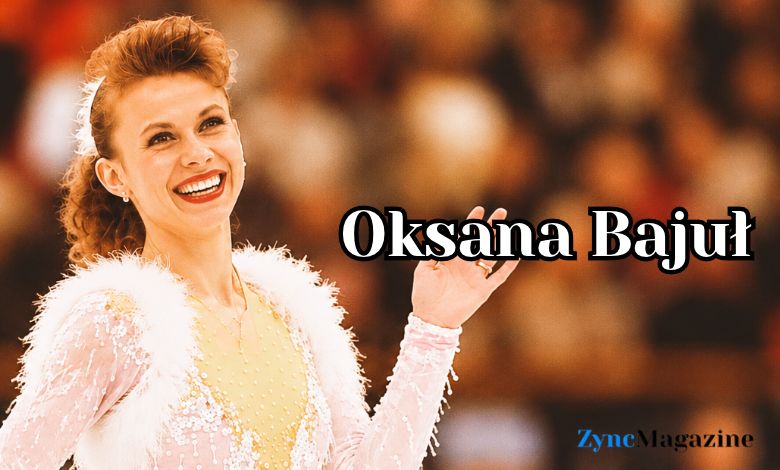
Oksana Bajuł, usually written as Oksana Baiul in English, won Olympic figure skating gold when she was just 16. At the 1994 Winter Games in Lillehammer, Norway, she represented an independent Ukraine and defeated a strong field that included American skater Nancy Kerrigan. The year before, Baiul had become a world champion at 15.
Her medals tell only part of the story. Baiul lost her mother when she was 13 and had to keep building her skating career while grieving. She found support from coaches and continued to train. By the time she reached the Olympics, she had already shown she could compete with the best skaters in the world.
Quick Bio
| Field | Details |
|---|---|
| Name | Oksana Bajuł, commonly written as Oksana Baiul in English |
| Date of birth | 16 November 1977 |
| Birthplace | Dnipropetrovsk, Ukraine (now called Dnipro) |
| Nationality | Ukrainian |
| Profession | Figure skater |
| World title | 1993 World Figure Skating Champion |
| Olympic achievement | Gold medal, 1994 Winter Olympics |
| Age at Olympic victory | 16 years old |
A Childhood Shaped by Skating
Baiul was born on 16 November 1977 in Dnipropetrovsk, a Ukrainian city now called Dnipro. She began skating as a young child and spent years learning the balance, control and timing the sport demands. Her style would later become known for its graceful movement, but that ease on the ice came from long hours of practice.
Figure skating asks an athlete to do two things at once. The jumps and spins need strength and precision. At the same time, the skater must move with the music and make the whole performance feel connected. Baiul developed both sides of the sport. She could hold an audience’s attention with a quiet movement, then shift into a difficult element without losing the flow of her programme.
Losing Her Mother at 13
Baiul’s mother died when Baiul was 13. The loss came during the years when she was working towards a future in skating. In a later interview, Baiul spoke about thinking of her mother during her Olympic performance. Her grief remained part of her life even as her career moved forward.
It is easy to describe a champion as fearless after seeing them win. Baiul’s story is more human than that. She was a teenager facing a painful loss while trying to train and compete. The people around her mattered. So did the work she had already put into skating. Continuing did not erase what had happened to her; it gave her a way to keep going.
Finding Support and Becoming a World Champion
Baiul’s skating took an important turn when she began training in Odesa with coach Galina Zmievskaya. Olympic champion Viktor Petrenko helped connect her with the coach. In that new training setting, Baiul made rapid progress and soon reached the top level of international competition.
In 1993, she won the women’s title at the World Figure Skating Championships in Prague. She was only 15. The result made her a serious contender for the next Winter Olympics, although many viewers outside figure skating had yet to learn her name. Winning a world title was a major achievement on its own. It also showed that her expressive skating could succeed under the pressure of a championship.
The short time between her world title and the Olympics makes her rise striking. Baiul did not have many years to settle into life as a leading senior skater. She had to prepare for the biggest event in her sport almost immediately, with the expectations that came from being the reigning world champion.
Read Also: Wachappe: What the Name Means and Why It Is Confused With WhatsApp
The 1994 Winter Olympics
At Lillehammer, much of the public attention was on American skaters Nancy Kerrigan and Tonya Harding. Their story had drawn intense news coverage before the Games. Baiul later recalled feeling that few people were paying attention to her, even though she had won the world title.
The women’s competition gave her a chance to change that. Baiul skated her short programme to music from Swan Lake, then returned for a free skate that showed a different, lively side of her performance. Kerrigan led after the short programme, so Baiul needed a strong final skate. She also had to compete after being injured during practice before the final. Years later, Baiul recalled being unsure whether she could manage the performance.
She did. Baiul won gold, Kerrigan took silver, and Chen Lu of China won bronze. The result was close, but Baiul’s free skate secured the Olympic title. For viewers, the moment brought together her musical style, competitive skill and the emotion of a teenager reaching the goal she had trained for since childhood.
Why the Gold Medal Mattered to Ukraine
Baiul’s victory carried meaning beyond figure skating. Ukraine had gained independence from the Soviet Union in 1991. At the 1994 Winter Games, its athletes competed under the Ukrainian flag. Baiul’s win was independent Ukraine’s first Olympic gold medal.
That history needs a little care. Ukrainian athletes had won Olympic medals before 1994 while competing for other teams. Baiul’s distinction is that she won gold while representing independent Ukraine. Her medal gave the country a moment of recognition at one of the world’s most watched sporting events.
For Baiul herself, the achievement was personal as well as national. She had lost her mother, changed training arrangements and reached the Olympics while still in her teens. Those experiences do not explain every part of a judged skating result, but they help explain why the win has stayed meaningful to her and to many people who watched it.
What Made Her Skating Memorable?
Baiul was known for the way she performed between the jumps. Her arms, posture and movement across the ice helped tell the story of the music. Her Swan Lake short programme showed her ability to create a mood, while her free skate let her show more energy and playfulness. Together, they gave viewers a fuller picture of her as a skater.
Years later, Baiul spoke about the value of artistry in figure skating. She encouraged younger skaters to find their own style instead of trying to copy earlier champions. That view fits the quality many people remember in her performances: she made the technical work feel like part of a complete piece of skating, rather than a list of separate elements.
Life After Olympic Gold
After Lillehammer, Baiul moved into professional skating. She performed in shows and tours, taking her work to audiences beyond championship events. It was a major change for someone who had spent so much of her young life preparing for competitions. The Olympic title remained her best-known achievement, but her career on the ice continued after she won it.
She has also reflected publicly on what that medal means to her. In a 2023 interview, she showed the gold medal she had won for Ukraine and spoke about how its meaning had grown over time. Her words showed that an Olympic victory does not stay fixed in one night of celebration. As a person’s life changes, the memory can change with it.
Conclusion
Oksana Bajuł became a world champion at 15 and an Olympic champion at 16. Her 1994 gold medal marked a historic first for independent Ukraine, while her performances introduced many viewers to her expressive style of skating.
Her story also includes the years behind that brief moment on the podium: childhood training, the loss of her mother, help from her coaches and the courage to compete after an injury. Those details make her Olympic win more than a result in a record book. They show how much work and life can stand behind a few minutes on the ice.
(FAQs)
Who is Oksana Bajuł?
Oksana Bajuł, commonly known in English as Oksana Baiul, is a Ukrainian figure skater. She won the 1993 world title and the women’s singles gold medal at the 1994 Winter Olympics.
How old was Oksana Baiul when she won Olympic gold?
She was 16 years old when she won at the Lillehammer Winter Olympics in 1994.
What happened to Oksana Baiul’s mother?
Baiul’s mother died when Baiul was 13. Baiul later spoke about thinking of her mother during her Olympic performance.
Why was Baiul’s 1994 victory historic?
Her gold medal was the first Olympic gold won for independent Ukraine, which was competing under its own flag at the Winter Games.
Did Oksana Baiul continue skating after the Olympics?
Yes. After her Olympic victory, she performed professionally in skating shows and tours.