Kinervus: Personal Physiotherapy That Supports Better Movement and Daily Independence

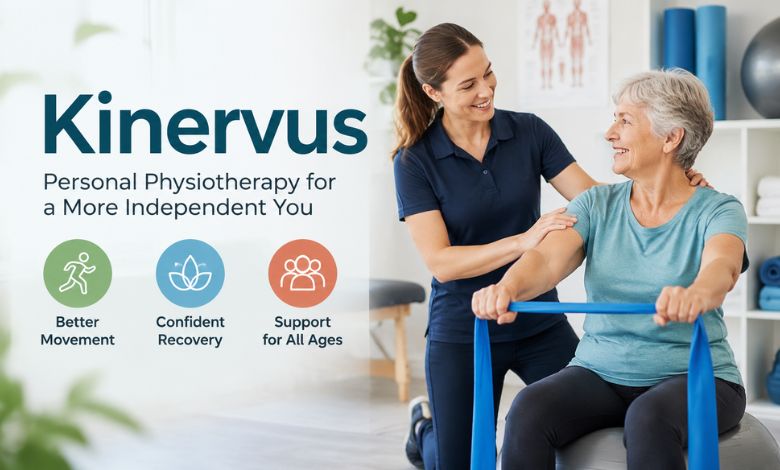
Kinervus is a physiotherapy and rehabilitation practice located in Alken, Belgium. It works with people who need professional support because of pain, limited movement, physical weakness or a long-term health condition. Its services are designed for different ages and physical needs, from children requiring developmental support to adults working to regain mobility and confidence.
The practice does not treat every patient in the same way. A person recovering from an injury may have very different needs from someone living with a neurological condition. Kinervus considers the individual’s present abilities, physical difficulties and personal aims before planning suitable care. This approach keeps treatment connected to the activities that matter in the patient’s daily life.
How Kinervus Approaches Rehabilitation
Rehabilitation is not only about performing exercises during an appointment. It is a gradual process that can involve learning safer movements, rebuilding strength and becoming comfortable with tasks that have become difficult. Some people need short-term help after a physical setback, while others require continuing support to manage an ongoing condition.
At Kinervus, treatment begins with the person rather than a standard routine. The therapist can consider how the patient moves, which actions cause difficulty and what type of progress would be useful. A plan can then be created with realistic steps. It may also change when the patient improves or when a different challenge becomes more important.
This flexible method matters because physical progress is rarely identical for two people. Even when patients have similar symptoms, their strength, balance, lifestyle and recovery speed may differ. Personal guidance allows those differences to remain part of the treatment process.
Neurological Rehabilitation and Movement Control
One of the important services available at Kinervus is neurological rehabilitation. This area of physiotherapy supports people whose movement has been affected by a condition involving the nervous system. Such difficulties can influence walking, balance, muscle control, posture or coordination.
Neurological rehabilitation often requires patience and repetition. A movement that once felt automatic may need to be practised carefully. The therapist may guide the patient through exercises that focus on control, stability and useful physical actions. The aim is not to rush through a set of movements but to help the person use their existing abilities more effectively.
Daily function remains an important part of this care. Standing safely, changing position or moving through the home may be more valuable to a patient than completing a difficult exercise with no practical purpose. Kinervus can shape rehabilitation according to these personal needs and support progress at a manageable pace.
Paediatric Rehabilitation at Kinervus
Children can also experience physical challenges that affect the way they sit, stand, walk, balance or take part in play. Paediatric rehabilitation is designed to support these needs through age-appropriate care. Because children respond differently from adults, sessions need to consider comfort, attention and the child’s stage of development.
A child may not understand formal rehabilitation goals, but they can still benefit from carefully guided activity. Movement tasks can be introduced in a way that encourages participation without making the session feel overly demanding. The therapist can observe how the child moves and adjust each activity according to their ability.
Parents and caregivers are also valuable during this process. They understand how the child manages daily routines outside the practice. Their observations can help identify areas where support is needed. When everyone understands the purpose of the exercises, it becomes easier to encourage steady practice without placing unnecessary pressure on the child.
Manual Lymphatic Drainage
Kinervus offers manual lymphatic drainage for people who require specialised support with lymphatic fluid movement. This technique uses gentle, controlled hand movements. It is different from deep massage because it does not depend on strong pressure.
Swelling can affect comfort, mobility and the way a person feels during normal activities. Manual lymphatic drainage may be included within a wider care plan when it is suitable for the patient’s condition. A professional assessment remains important because swelling does not have a single cause, and the same treatment may not be appropriate for everyone.
The therapist can select the correct technique and explain what the patient may experience during treatment. Other forms of movement or physical care may also be used alongside it. The purpose is to provide structured support based on the person’s needs rather than treating the method as a quick solution.
Kinesiotaping as Part of Physiotherapy
Kinesiotaping is another service connected with the rehabilitation work at Kinervus. It involves applying flexible tape to a selected part of the body. The tape moves with the skin and may be used to provide light physical support as the patient continues normal movement.
The value of kinesiotaping depends on how and why it is used. Tape placed without proper understanding may not provide the intended support. A trained professional can decide where it should be applied, which direction it should follow and how much tension is suitable.
Kinesiotaping is commonly treated as one part of a broader plan rather than a complete treatment. Exercises, movement guidance and changes in physical habits may still be necessary. If a person develops skin discomfort or irritation, the tape should be removed and professional advice should be followed.
Group Exercise in a Supportive Setting
Not every part of rehabilitation needs to take place in an individual session. Group exercise sessions give people an opportunity to remain active under professional guidance while sharing the space with others. This can make regular movement feel more organised and easier to continue.
A group may include participants with different levels of strength or mobility. This does not mean that everyone must perform each movement in the same way. Activities can be adapted so that people work within their own limits. The therapist can demonstrate the exercise, observe technique and help participants avoid movements that do not suit their condition.
The social side of group activity may also encourage consistency. Attending at a planned time can help people make exercise part of their routine. However, the focus remains on safe participation and useful physical activity rather than competition.
Treatment Shaped by Real-Life Goals
A rehabilitation goal becomes more meaningful when it connects with daily life. A person may want to climb stairs more comfortably, walk with greater control or return to a favourite activity. Another patient may simply want to move through the home with less assistance. These goals are personal, but each one can have a strong effect on independence.
Kinervus can use such goals to give treatment a clear direction. Exercises may be selected because they strengthen a movement needed in daily tasks. Progress can then be judged by how the patient functions, not only by numbers recorded during a session.
Small changes deserve attention as well. Better balance, smoother movement or greater confidence when standing may represent an important step. Recognising this progress can help patients remain engaged, especially when rehabilitation takes time.
The Connection Between Movement and Confidence
Physical difficulty can gradually change how a person behaves. Someone who fears pain or losing balance may stop doing certain activities. This can reduce movement further and make the person feel less confident. Professional rehabilitation offers a controlled setting where these concerns can be addressed step by step.
A therapist can guide the patient through movements at a suitable level and explain why each activity is being used. Understanding the purpose of an exercise often makes it easier to take part. As the patient becomes more familiar with the movement, confidence can begin to return.
This does not mean every condition will disappear. In many cases, the realistic aim is to improve function, manage limitations and help the person use their abilities more effectively. Kinervus supports this process through guidance that respects both physical needs and personal pace.
Patient Participation in the Recovery Process
The therapist provides assessment, professional direction and practical support, but the patient also has an active role. Progress may depend on attending appointments, discussing changes honestly and completing suitable activities between sessions. If an exercise causes unexpected discomfort or becomes too difficult, the patient should communicate this rather than silently continuing.
Clear communication helps the therapist adjust the plan. It also prevents rehabilitation from becoming a one-sided process. Patients who understand what they are doing and why they are doing it can take greater responsibility for their physical health.
Kinervus encourages a form of care in which progress is built through cooperation. The professional brings clinical skills, while the patient brings personal experience of the condition. Both are needed to create treatment that makes sense outside the therapy room.
Why Personalised Care Matters at Kinervus
Standard exercises can be useful, but they do not always address the reason a particular person is struggling. Personalised care looks beyond the basic symptom. It considers how the issue affects work, family routines, exercise and independence.
This is especially important when someone has more than one physical difficulty. Pain may exist alongside weakness, poor balance or limited confidence. Treating only one part of the problem may leave other needs unaddressed. A personal plan allows the therapist to decide what should be prioritised and when the plan should change.
By offering neurological and paediatric rehabilitation, manual lymphatic drainage, kinesiotaping and group exercise, Kinervus supports a broad range of physical needs. The shared focus across these services is practical progress that fits the individual.
Conclusion
Kinervus provides physiotherapy and rehabilitation in Alken for people who need help with movement, recovery, pain management or long-term physical challenges. Its approach is based on understanding the patient’s condition, current abilities and personal goals before deciding how treatment should move forward.
The practice combines individual care with specialist services and guided group activity. Rather than expecting immediate results, it supports gradual improvement through suitable movement, professional guidance and patient participation. The wider aim is clear: to help people move with more confidence, manage daily tasks and maintain as much independence as possible.
(FAQs)
What is Kinervus?
Kinervus is a physiotherapy and rehabilitation practice in Alken, Belgium. It supports people with movement difficulties, pain, reduced mobility and different physical recovery needs.
What treatments are available at Kinervus?
The practice provides neurological rehabilitation, paediatric rehabilitation, manual lymphatic drainage, kinesiotaping and group exercise sessions.
Does Kinervus work with children?
Yes. Kinervus provides paediatric rehabilitation for children who need professional support with movement, balance, coordination or physical development.
Is every patient given the same treatment programme?
No. Care is planned according to the individual’s condition, abilities and personal goals. The therapist may change the plan as the patient progresses.
What is the main purpose of Kinervus rehabilitation?
Its main purpose is to help patients improve movement, build confidence and become more independent during everyday activities.