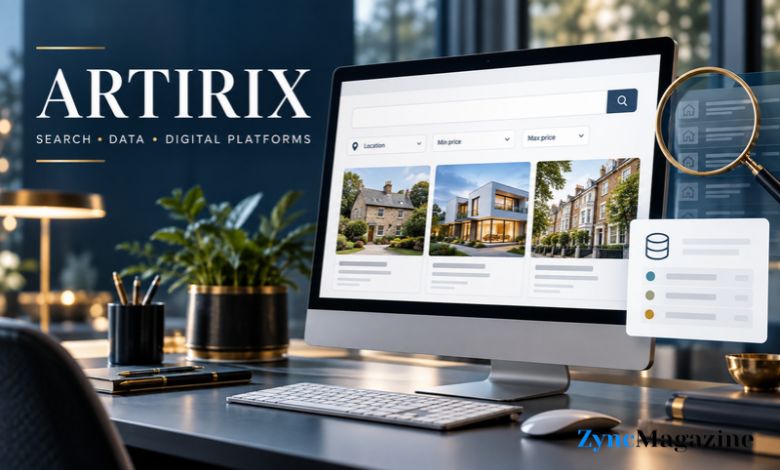
A property website can hold thousands of listings and still be frustrating to use. A visitor searching for a small office in one neighbourhood does not want to scroll through every property on the site. They want to set a location, choose a price range, and see results that fit. Artirix has worked on the technology that makes this kind of search possible.
Artirix is a UK software company with a background in search, data processing, and website development. Its work concerns the parts of a digital platform that visitors see, such as search results and filters, as well as the systems behind them. Those systems bring information together and prepare it for people to use. Here is what Artirix does, where its work has appeared, and why organising data matters.
What Is Artirix?
Artirix Ltd was incorporated in the UK in December 2009. The company has worked on search-based applications and websites that handle large collections of information. Its history includes search technology, software development, and the design of website features that help people find specific records.
That may sound like ordinary website work, but the challenge grows as a site gets larger. A business with a few pages can use a simple menu. A site with thousands of properties, articles, or travel options needs another way to help visitors find what they came for. Artirix’s work has focused on that connection between a large collection of data and a person making a search.
What Does Artirix Do?
Artirix’s documented work covers back-end development, search systems, and user interfaces. The back end is the part of a platform that handles information behind the screen. It may receive records from different sources, prepare them for use, and supply results when someone searches. The user interface is what the visitor touches: the search field, filters, listings, and pages.
Both parts matter. Imagine a property site with a clean design but inaccurate results. It might look good at first, yet visitors would quickly lose patience. Now imagine a site with excellent data but confusing filters. People might leave before finding what they need. A useful platform needs sound information and a clear way to explore it.
The exact work depends on the project. One business may need help improving an existing search tool. Another may be building a new site around a large set of records. Artirix’s history shows experience with these kinds of problems, though past projects should not be taken as a list of everything the company offers today.
Why Data Organisation Comes Before Good Search
A search tool can only work with the information it receives. If that information is incomplete or inconsistent, the results may disappoint visitors even when the search box itself works perfectly.
Think about three estate agents sending listings to the same platform. One describes a home as having “two bedrooms.” Another enters “2 beds.” The third puts that detail in the description but leaves the bedroom field empty. A visitor searching for two-bedroom homes expects to see all suitable options. To make that happen, the platform needs a sensible way to handle those differences.
This is where data organisation becomes important. Records may need common labels, consistent categories, and checks for missing details. Duplicate entries can also cause problems. If the same property appears several times with different prices or old photographs, visitors may struggle to tell which listing is correct.
Cleaning up information is rarely the most visible part of a website, but people feel the effects. Clear, current records make search results easier to understand. Poor records create confusion, no matter how polished the site looks.
Read Also: 9.7.4 Leash CodeHS Answers: A Simple Guide to the Moving Ball and Line
How Search Helps People Use Large Websites
On a large website, visitors do not all look for the same thing. Some know exactly what they want. Others start with a broad idea and narrow their choices as they browse. A good site search experience needs to support both.
A visitor to a property platform might begin with a town and then filter by budget, number of rooms, or type of property. On a travel site, someone might start with a destination and adjust the dates or price. Each step should reduce the number of results in a way that makes sense. If the filters are unclear or the results seem unrelated, the visitor has to do extra work.
Result pages matter too. People need enough detail to decide what to open next, but too much information can make the page hard to scan. Titles, images, prices, locations, and short descriptions should help visitors compare options. Behind that simple experience is a system that must find the right records and display them in a useful order.
Where Has Artirix’s Technology Been Used?
Artirix has a documented history of work connected to property search platforms. A former developer has described working at the company on search portals for property classifieds and specialist publications. Property is a natural fit for this kind of technology because listings change often and visitors rely on detailed filters.
Travel-related website work also appears in accounts of Artirix’s past projects. Travel platforms face a similar challenge to property sites: they present many choices that vary by place, date, price, and other details. Visitors need a practical way to narrow those choices without feeling buried in results.
These examples show the kinds of problems Artirix has worked on. They describe earlier projects, not a confirmed list of its current clients. What connects them is the need to turn a large amount of changing information into a website people can navigate.
The Work Visitors Rarely Notice
When a search works well, it can feel effortless. A visitor enters a few details, sees useful results, and moves on. They may never think about how the records arrived on the site or how the platform decided what to show.
The team running that website has more to consider. New records may arrive every day. Existing ones may change. A supplier might start sending information in a different format. A popular site may also need to serve many visitors at once. These problems happen behind the screen, but they can affect what every visitor sees.
That is why large digital platforms need ongoing attention. A search system is connected to the data it uses, the website that displays its results, and the people responsible for keeping information current. Artirix’s background in software and search sits within this wider picture.
Why Artirix’s Work Matters to Businesses
Businesses often collect information because they want customers to find, compare, or act on it. A property listing should help someone discover a suitable space. A travel option should help someone decide whether a trip fits their plans. If the information is hard to find, its value to the visitor drops.
Clear search and well-organised data can improve that experience. Visitors spend less time sorting through unrelated records and more time looking at useful options. The business gains a platform that presents its information more clearly. These benefits do not come from adding a search box alone. They depend on how the records are prepared and how the whole search journey works.
Artirix is one example of a company that has worked on this underlying technology. Its past projects help explain why search, data, and website design are closely connected on large platforms.
Conclusion
Artirix has worked on the software behind websites that need to organise and search large amounts of information. Its documented history includes search systems, data-related development, and projects connected to property and travel platforms. The lesson from that work is straightforward: storing information is only the first step. People must also be able to find and use it. For businesses considering Artirix today, its current services and recent projects are best confirmed directly with the company.
(FAQs)
What is Artirix?
Artirix is a UK software company with a history of work in search technology, data processing, and digital platform development.
When was Artirix founded?
Artirix Ltd was incorporated in December 2009.
What kind of platforms has Artirix worked on?
Public accounts describe earlier work involving property search portals and travel-related websites. These are examples of past work, not a confirmed current client list.
Why do large websites need better search systems?
Large websites can hold thousands of records. Search and filters help visitors narrow those records to the information that matches their needs.
Is Artirix still an active company?
Yes. Artirix Ltd is listed as active on the UK company register. Its current services should be checked directly with the company.