Pravi Celer: What It Is, How It Is Used and Why Cooks Keep It in the Kitchen

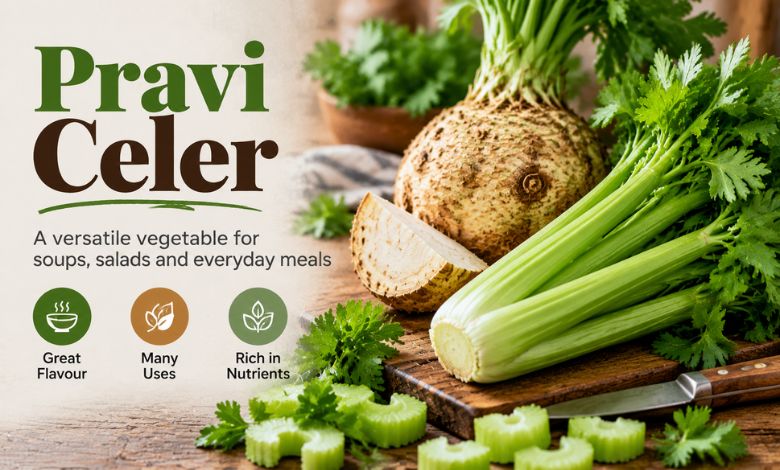
Cut a fresh celery leaf and its smell reaches the room almost at once. That sharp, green aroma is the main reason pravi celer has earned a regular place in soups, stocks and cooked family meals.
Pravi celer is a regional name for cultivated celery, known to botanists as Apium graveolens. The plant belongs to the same family as parsley, carrots and parsnips. Depending on the cultivated type, it may be grown for its stalks, leaves or thickened root.
The vegetable is common in different European and Mediterranean cooking traditions. In Balkan kitchens, the root and leaves are often used to give soup a fuller taste. Stalk celery is better known for its crisp texture and is regularly eaten raw. No part tastes exactly like another, which is why the plant can be used in several ways.
Celery also provides water, fibre and small amounts of several vitamins and minerals. It is useful food, but it is not a miracle treatment. Its real value comes from flavour, versatility and the ease with which it fits into ordinary meals.
What Does Pravi Celer Mean?
The phrase “pravi celer” can be understood as “true celery” or “real celery” in some South Slavic languages. It usually points to the cultivated plant Apium graveolens, although local naming habits are not identical in every country or community.
This is worth explaining because celery does not always look like the bundle of long green stalks found in a supermarket. One cultivated form develops broad, juicy stems. Another produces more leaves and thinner stems. Celeriac develops a swollen, round root with a rough outer skin.
All these forms come from the same celery species, but farmers have selected them for different edible parts. That is why two vegetables sold as celery can look surprisingly different while sharing a similar aroma.
The Main Types of Celery
Stalk celery is the most recognisable form. It grows in a cluster of long, upright stems topped with green leaves. Fresh stalks should break cleanly when bent. They have a juicy crunch and a flavour that can be mild, salty or slightly bitter.
Leaf celery is grown mainly for its strongly scented foliage. Its stalks are usually thinner and less fleshy. The leaves are useful in soup, stock, bean dishes and sauces because they release plenty of flavour during cooking.
Root celery, commonly called celeriac, looks quite different. Its edible root is round, firm and covered with uneven brown skin. The inside is pale and dense. It tastes like celery but also has a mild earthy quality. Celeriac can be boiled, mashed, roasted or grated into salad.
Celery seeds are another useful product of the plant. Once dried, they may be used as a spice. Their taste is concentrated, so only a small quantity is normally required.
How Pravi Celer Tastes
Celery has a flavour that is difficult to hide. It is fresh and herbal, with a light bitterness that becomes stronger in older stalks and dark leaves. The root is milder and more rounded in taste, particularly after it has been roasted or boiled.
The age of the vegetable affects its texture as well. Young inner stalks are usually tender and pale. Outer stalks are darker, firmer and sometimes stringy. Neither is automatically better. The tender sections suit raw dishes, while the stronger outer pieces work well in cooked food.
Heat softens the sharp side of celery. When chopped stalks are slowly cooked with onion and carrot, their flavours mix and form a useful base for soup or sauce. Boiling the vegetable for too long, however, can remove much of its freshness.
Traditional Uses in Soups and Broths
Soup is one of the simplest places to use pravi celer. A piece of root, a few stalks or several clean leaves can change plain cooking water into a more aromatic broth. Celery is often combined with carrot, onion, parsley root, meat or beans.
The root usually holds its shape better than the leaves. It can be cut into cubes and left in the finished soup, or added in a larger piece and removed before serving. Leaves release their flavour quickly and may become very soft after a long cooking time.
Strong celery leaves should be used with some care. Adding a large bunch can overpower the other vegetables. Starting with a smaller amount makes it easier to control the taste. More can always be added later.
Celery trimmings can also be saved for stock. Clean leaves, stalk ends and carefully washed peelings may be frozen until enough vegetables have been collected. Spoiled, slimy or mouldy pieces should never be kept.
Eating Stalk Celery Raw
Raw stalk celery is crisp, juicy and easy to prepare. It can be cut into small pieces for salad or served in longer sticks with hummus, yoghurt dip or soft cheese. Its firm texture works particularly well with softer foods.
Apple is a useful partner for celery because its sweetness balances the vegetable’s bitter edge. Celery can also be combined with cabbage, carrots, walnuts, lemon juice and yoghurt. A simple salad does not need all these ingredients at once. Even thin celery slices mixed with apple and a light dressing can work well.
Older stalks sometimes have tough strings along their outer surface. These can be pulled away with a small knife or removed with a vegetable peeler. The stalk remains edible, but taking off the strings makes it more pleasant to chew.
Cooking with Celeriac
Celeriac is often overlooked because its rough skin makes it look difficult to prepare. In practice, it only needs a stable cutting board and a sharp knife. The top and base can be removed first, allowing the root to sit flat while the remaining skin is cut away.
Once cleaned, the pale flesh may begin turning brown. Keeping the pieces in water with a little lemon juice can slow this change. The colour change is not usually dangerous, but it can make the prepared vegetable look less attractive.
Celeriac cubes can be roasted with oil, black pepper, garlic and other root vegetables. Boiled celeriac can be mashed alone or mixed with potato. It can also be blended into soup, where it creates a smooth body without the need for a large amount of cream.
For a raw dish, the peeled root may be grated and dressed with lemon juice, mustard or yoghurt. Its texture is firmer than cooked celeriac, so fine grating is usually more comfortable to eat.
Do Not Throw Away the Leaves
Celery leaves are sometimes removed and discarded as soon as the vegetable reaches the kitchen. That wastes one of its most aromatic parts. Healthy green leaves can be rinsed, chopped and treated almost like a strong herb.
They work well in lentil soup, tomato sauce, stews and savoury rice. Finely chopped leaves can also be scattered over a finished meal, but their flavour is stronger than parsley. A small amount is normally enough.
Fresh leaves do not remain in good condition for long. If they cannot be used soon, they may be chopped and frozen. Frozen leaves lose their fresh appearance, but they can still add flavour to cooked meals.
Nutritional Qualities of Pravi Celer
Stalk celery contains a large amount of water. It also provides fibre and nutrients such as vitamin K, folate and potassium, though the exact quantities depend on the serving and the part of the plant being eaten.
Celeriac is denser than the stalks. It contains less water and more carbohydrate by weight, which gives it a different texture and makes it more filling in cooked dishes. Comparing celeriac directly with green celery can therefore be misleading, even though both come from the same species.
Celery can be part of a balanced diet, but eating it does not “clean” the body or cure disease. The liver, kidneys, lungs and digestive system already handle the body’s normal waste-removal processes. Drinking celery juice is not a replacement for medical treatment, prescribed medicine or a varied diet.
Celery allergy is also real. A reaction may be serious in some people, and cooking does not guarantee that the food will become safe. Anyone with a diagnosed celery allergy should follow professional medical advice and check food labels carefully.
How to Select Fresh Celery
Good stalk celery feels firm and holds its shape. The stems should not be slimy, badly split or covered with large brown patches. Leaves should look fresh rather than yellow and wilted.
Colour can vary between celery varieties, so dark green does not always mean better quality. Darker stalks may have a stronger taste, while pale inner stalks are often milder. The best choice depends on the planned recipe.
A good celeriac root should feel firm and heavy for its size. Soft areas can be a sign of damage or decay. An extremely large root may be woody or hollow inside, so a medium-sized, solid root is often a practical choice.
Cleaning and Storing Pravi Celer
Soil can collect between celery stalks, especially close to the base. Separating and rinsing them under clean running water helps remove trapped dirt. Celeriac should also be washed before peeling so that soil from the skin is not transferred to the flesh.
Whole stalk celery should be kept in the refrigerator. It needs protection from drying out, but storing it while soaking wet may encourage spoilage. A container or loose wrapping can help it retain moisture without trapping too much water.
An uncut celeriac root generally keeps longer than fresh leaves or separated stalks. Once it has been peeled, the exposed surface should be covered and refrigerated. Any cut celery that develops an unpleasant smell, slime or visible mould should be discarded.
Celery can be frozen for cooked dishes. It will lose its crisp texture after thawing, so frozen stalks are more suitable for soup, stew and sauce than for salad.
Growing Pravi Celer at Home
Celery needs moisture, fertile soil and time. Its seeds are very small and may be slow to germinate. Gardeners often start them in trays and move the young plants outside after harsh cold weather has passed.
The seeds should remain close to the surface rather than being buried deeply. The soil needs to stay damp, but not waterlogged. Once the seedlings are established, regular watering is important because dry conditions can lead to thin or bitter stalks.
Celeriac requires a long growing period to form a useful root. Removing weeds carefully helps reduce competition for water and nutrients. Deep digging close to the plant should be avoided because celery has roots near the soil surface.
Growing results depend on the local climate, celery variety and planting time. Gardeners should therefore follow advice suited to their region rather than relying on one fixed calendar.
A Useful Vegetable Without Big Promises
Pravi celer does not need exaggerated health claims to make it valuable. Its stalks bring crunch, its leaves add aroma, and its root can become a full side dish. One plant provides several ingredients, each with a different job in the kitchen.
It is also economical when used completely. Leaves can flavour soup, fresh stalks can go into salad, and the root can be roasted or mashed. Even suitable trimmings can contribute to a stock.
The important point is simple: celery works. It supports other flavours without demanding an expensive recipe or complicated cooking method.
Conclusion
Pravi celer is cultivated celery, or Apium graveolens, grown in different forms for its stalks, leaves, seeds and root. The plant’s noticeable aroma makes it especially useful in soups, broths, sauces and slow-cooked meals. Its crisp stalks also bring texture to fresh salads and simple snacks.
Using celery well begins with recognising which type is in the kitchen. Stalk celery is suited to raw and cooked dishes, leaf celery provides strong seasoning, and celeriac offers a firm root that can be roasted, boiled or grated.
It contains water, fibre and several nutrients, but its everyday culinary value is more important than unsupported medical promises. Prepared carefully and stored correctly, pravi celer is a reliable vegetable that can add real flavour without making a meal complicated.
(FAQs)
Is pravi celer the same as celery?
Yes. The name generally refers to cultivated celery, botanically called Apium graveolens. Regional use may include stalk celery, leaf celery and celeriac.
Can celery leaves be eaten?
Yes. Fresh celery leaves are edible and strongly flavoured. They can be used in soups, stews, sauces, rice dishes and homemade stock.
Is celeriac the root of stalk celery?
Celeriac and stalk celery belong to the same species, but they are different cultivated forms. Celeriac has been selected for its enlarged root, while stalk celery is grown for its thick stems.
Can pravi celer be frozen?
Yes, but freezing changes its texture. Frozen celery is best used in cooked meals rather than fresh salads.
Is celery juice a medical treatment?
No. Celery juice is a drink, not a proven cure for disease. People with health concerns should seek advice from an appropriate medical professional.