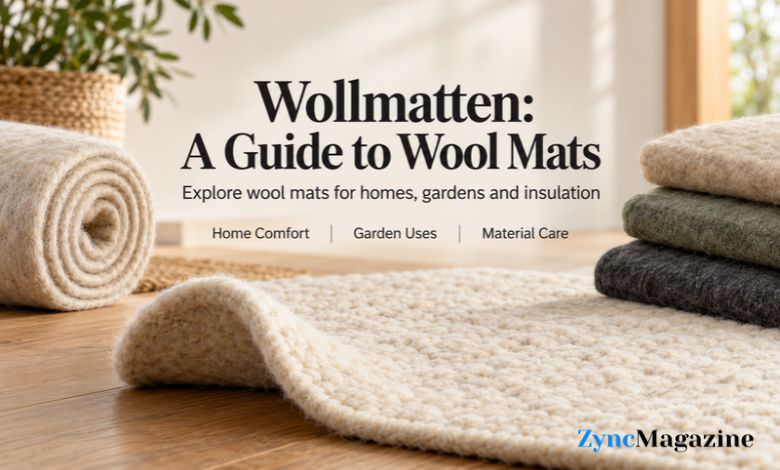
A warm surface beside the bed, a comfortable place to meditate or a protective layer around garden plants: wool mats can serve surprisingly different purposes. Wollmatten, the German word for wool mats, describes a broad group of products rather than one particular design. Understanding that difference is the first step towards choosing something useful.
Many wool mats are made from sheep’s wool, but their texture, thickness and construction vary. Some have a soft, fluffy surface, while others are pressed into firm felt or manufactured as building insulation. A mat designed for quiet indoor use will have different requirements from one intended for soil or construction.
This guide explains what Wollmatten are, where they can be useful and which details deserve attention before you buy.
What Are Wollmatten?
Wollmatten are mats made wholly or partly from wool fibres. The term can refer to floor mats, yoga mats, gardening products and specialist insulation. It does not describe a single brand, quality level or manufacturing method.
The product’s construction matters as much as its name. A wool surface may sit on a separate backing, while an insulation roll may combine wool with supporting fibres. For example, Thermafleece states that its CosyWool and UltraWool insulation products contain both British wool and polyester. A wool product should therefore never be assumed to contain only wool.
Reading the full material description helps you understand what you are buying, how it should be maintained and where it can be used.
Why Wool Works Well in Mats
Wool fibres have a natural structure that helps hold air within the material. This contributes to thermal insulation, making suitable wool products useful where warmth matters. Wool can also absorb and release moisture vapour, which helps explain its use in clothing, furnishings and insulation.
However, moisture management and waterproofing are different things. A wool mat should not be treated as a waterproof barrier unless its complete construction is specifically designed for that purpose.
Comfort also depends on the finished product. A deep pile may feel inviting under bare feet, while a firm felt surface may provide a flatter base. Neither is automatically better; the useful choice depends on how and where you plan to use it.
Wollmatten for Comfortable Living Spaces
In a bedroom, reading corner or quiet sitting area, a wool mat can introduce a softer surface without covering the whole floor. Its texture can also add interest to a room, particularly where wood, tile or other hard materials dominate.
Think about placement before choosing a style. A mat beside a bed has different demands from one near a busy doorway. Consider whether doors can pass over it, whether its edges lie flat and whether the underside suits your flooring.
Practical details matter more than appearance alone. A beautiful mat becomes less useful if it slides, gathers beneath furniture or requires cleaning that does not fit your household routine. Check the manufacturer’s guidance on backing, suitable surfaces and regular maintenance.
Wool Mats for Yoga and Meditation
Wool yoga mats offer a different surface from smooth exercise mats. Purpose-made versions can combine a soft wool upper with an anti-slip layer underneath. Yoga equipment suppliers sell these as a distinct category, so it is important to choose a product intended for practice rather than an ordinary decorative rug.
Your preferred activity should guide the choice. For meditation, you may prioritise warmth, surface feel and enough room to sit comfortably. For a moving yoga practice, grip, stability and the way the mat behaves during position changes deserve closer attention.
Check the dimensions as well. The mat should accommodate your usual seated and lying positions. If you carry it to classes, consider its packed size, weight and whether a suitable carrying strap or bag is available.
How Wollmatten Are Used in Gardening
Wool can also be used around plants as mulch. A layer over the soil can help limit weed growth and support moisture retention. South Dakota State University Extension describes wool’s gardening uses, including its ability to hold water and its gradual decomposition.
For gardeners, the important distinction is between purpose-made garden wool and a household mat. A decorative product may contain dyes, backing materials or treatments that make it unsuitable for placing in soil.
Choose a gardening product with clear instructions for installation and disposal. Keep checking the soil beneath it rather than assuming a covered surface means plants have enough water. Weather, drainage and plant needs still determine the watering routine.
Claims about pest protection also need care. Wool should not be treated as a guaranteed solution to slugs or other garden pests.
Wool Mats in Building Insulation
Building insulation is another separate use for wool. These products are manufactured for particular spaces and performance requirements, rather than for appearance or comfort underfoot.
For example, installation guidance for Thermafleece CosyWool discusses fitting insulation between structural timbers, using appropriate membranes and protecting the material from extended wet conditions. This shows why insulation needs to be considered as part of the wider building design.
A household wool mat should never replace a specified insulation product. For a building project, compare the technical documentation, intended application and installation requirements. Questions about thickness, moisture control and suitability should be resolved before materials are fitted.
How to Choose the Right Wollmatten
Start with one clear question: What job does the mat need to do? That answer will narrow the options more effectively than choosing by colour or thickness first.
Next, check the complete fibre content. Look beyond phrases such as “natural wool surface” and find out what the backing, binding and supporting layers contain. These details can affect cleaning, handling and disposal.
Size deserves equal attention. Measure the available space and allow for doors, furniture and movement. For yoga or meditation, think about the space your body needs during use rather than choosing only by the mat’s rolled size.
Finally, read the care instructions before purchasing. A mat that needs specialist cleaning may still be suitable, but that requirement should be part of your decision from the beginning.
Cleaning and Caring for Wool Mats
Always follow the instructions for the finished mat. General wool advice is helpful, but a product’s backing, edging and surface construction may change what cleaning methods are suitable.
Woolmark advises checking care labels before washing wool and using a mild, suitable detergent when washing is permitted. Machine washing should only be used when the product’s instructions allow it. A washable wool garment does not prove that a thick, backed mat can be cleaned in the same way.
For everyday care, follow the supplier’s advice on removing dust and treating marks. Deal with spills promptly using the recommended method, and avoid experimenting with strong cleaning products.
Before putting a mat away, make sure it is clean and fully dry. Woolmark’s storage guidance highlights that food stains and body oils can attract moths, making cleanliness especially relevant during longer storage.
Are Wollmatten an Environmentally Responsible Choice?
Wool is a renewable natural fibre, and the wool itself can biodegrade under suitable conditions. However, the speed of breakdown varies with the environment and the characteristics of the material.
The complete mat needs a closer look. A wool upper does not tell you whether its backing, adhesive or binding will break down in the same way. Ask for clear information about the whole product instead of relying on broad environmental claims.
Durability matters too. Choosing a mat that suits its intended setting, caring for it properly and using it for longer are practical considerations alongside the source of its fibres.
Conclusion
Wollmatten offer several useful ways to work with wool, from comfortable indoor surfaces to garden coverings and specialist insulation. Their value depends on matching the product to its purpose.
Look closely at construction, fibre content, dimensions and care requirements. With those details understood, choosing a wool mat becomes a straightforward decision based on how you actually plan to use it.
Frequently Asked Questions
1. What does Wollmatten mean in English?
Wollmatten means wool mats in German. It is a broad term covering different products, including indoor mats, yoga mats, garden coverings and insulation.
2. Are all Wollmatten made from pure wool?
No. Some contain only wool, while others include supporting fibres, backing or coatings. Check the complete material description rather than relying on the product name.
3. Are wool mats waterproof?
Wool’s ability to absorb moisture vapour does not make a mat waterproof. Check whether the finished product is specifically designed for wet conditions.
4. Can I wash a wool mat in a washing machine?
Only if its care instructions permit machine washing. The backing, size and construction may require a different cleaning method.
5. Can an indoor wool mat be used in the garden?
Use a product intended for gardening. Indoor mats may contain backing materials or treatments that are unsuitable for soil.