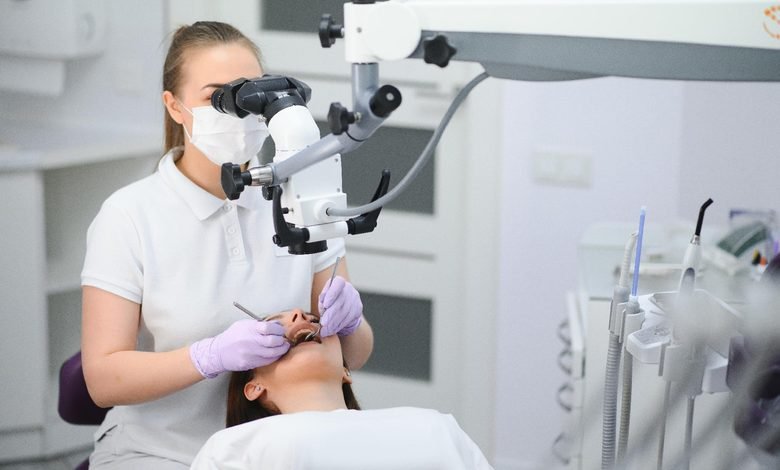
With the aid of the latest technology, modern dental equipment can increase diagnostic effectiveness, efficiency of treatment, customer experience, and the scope of services. However, new equipment is expensive and often means that a practice needs to make a significant investment. The manner of financing becomes an important issue that needs to be resolved from the business point of view. A dental equipment loan enables dentists to buy what is needed and to pay for it gradually instead of spending all the money on the equipment purchase. A careful and strategic plan should be made in order to use the financing wisely.
Aligning Equipment Financing with Goals
Equipment financing should cater to a well-defined goal of the business and not just help in acquiring new technology. Dentists have the capability to evaluate whether the equipment will fit into the present and future needs of their dental clinic.
1. Define Practice Objectives
A dental equipment loan could be more beneficial if it is aimed at achieving some practice objectives quantitatively. Dentists may desire to enhance their ability to provide treatments, introduce some procedures, improve workflow, minimize inefficiencies in operations, or prepare for expansion. The setting of objectives at the beginning would assist in identifying the required dental equipment and avoid any unnecessary acquisition because of technological trends. In other words, practices interested in enhancing the number of restorations could focus more on the technologies that help with speed and efficiency in performing work, while practices that will be expanding their activities could require equipment that could help them perform some new treatments.
2. Evaluate Technology Needs
The selection process does not involve a comparison of equipment features only but also the consideration of factors such as compatibility with existing systems, the frequency of use of the equipment by dental staff, and the duration of time for which the equipment is going to be functional. Maintenance of equipment, updating software, training dental staff, guarantees, and other issues can impact the value of the purchase in the future. The fast pace of development of technology increases the importance of the assessment, as sometimes the equipment becomes obsolete faster than one could anticipate. Therefore, the practices have to understand what technology will be necessary for solving a certain issue.
3. Consider Patient Care
The aspect of patient care needs to be considered when deciding to invest in dental equipment. This is because digital imaging equipment, intra-oral scanner equipment, computer-aided design equipment, and other advanced treatment equipment can facilitate quick diagnosis, increased accuracy in treatment, comfort, and efficiency in appointment times. A dental equipment loan could, therefore, meet both business and clinical needs for dentists if the equipment helps in addressing some of the needs of patients. It is important for the dentist to consider how the equipment can help in making the treatment successful, providing more treatment, reducing the time of appointment, and improving the convenience of patients.
Planning The Equipment Investment
A good budget helps the dentist understand what amount of capital will be needed by the practice and whether it is worth investing. It also minimizes the chances of either under-funding the project or raising too much money.
Determine Funding Requirements
Dentists are advised to determine the total financial requirement before applying for a dental equipment loan instead of taking into account only the cost of purchase. In addition to the cost of purchase, depending on the project, there might be many other expenditures such as installation charges, delivery costs, software, accessories, training of staff, and more. This helps in determining the right amount of finance that needs to be sought. In addition, dentists who want to buy dental equipment need to take into account the amount of working capital left after purchase of the equipment. It may be just as important as having the equipment.
Compare Financing Structures
There are various financing options, each having an impact on issues of ownership, cash flows, and terms of repayment, among others. A dental equipment loan offers regular payments as well as ownership of the equipment. Leasing can provide access to equipment even where the dentist does not have the need to own the equipment at the time of agreeing. A dental equipment lease could be suitable for practices that foresee frequent changes in technology as well as more flexibility with regard to changing the equipment used. There is a need for dentists to consider interest rates, fees, periods of repayment, issues related to ownership, maintenance, and what happens at the end of the agreement.
Assess The Return
The dentist needs to consider the possibility that the dental equipment being borrowed will be used to make an investment worth making by the practice. Dentists can evaluate the investment potential of the equipment, such as whether the equipment could help provide increased treatment capacity or add more services and improve efficiencies. The utilization of the equipment is also relevant, considering that an expensive technology would fail to provide the required value if little is used by the employees. It is important for practices to set realistic expectations in regard to how fast an investment might pay off and not expect overly optimistic outcomes from their investments.
How To Make the Right Decision
Selection of a dental equipment loan involves dentists balancing their clinical needs, financial objectives, cost of equipment, cash flow, and financial stability in the long run. The selection of financing must be based on the total cost of financing and not just the monthly payment. Maintenance of equipment, upgrades that may be needed in the future, technological change, and the capability of the practice to retain adequate working capital after purchasing the equipment are also important.
Final Words
Proper equipment planning can ensure that dental offices update themselves while not overlooking their finances. Dentists should set clear business goals for themselves, assess their technology needs, think of ways to improve the quality of patient care, and find out the total cost of an investment to make a sound decision about how to finance the investment. A dental equipment loan can be a good source of funding if the way the loan is to be repaid fits the life cycle of the equipment purchased.