Bob Flick: The Man Behind The Brothers Four, His Remarkable Music Career and Love Story With Loni Anderson

Not every famous musician has spent his life chasing the spotlight. Some are perfectly happy making music, travelling with their band and watching audiences sing along to songs recorded decades ago. Bob Flick is one of those musicians. For more than six decades, his name has been closely connected with The Brothers Four, the American folk group that gave the world the unforgettable hit Greenfields.
His story also has a surprising Hollywood connection. Flick married actress Loni Anderson in 2008, but their first meeting happened 45 years earlier. It is the sort of coincidence that sounds like something written for a romantic film.
Behind that unusual love story is a musician who helped shape an important period in American music. From student performances in Seattle to concerts around the world, Flick’s journey has been anything but ordinary.
Quick Bio
| Field | Details |
|---|---|
| Full Name | Bob Flick |
| Profession | Folk Singer, Bassist, Composer, Music Producer |
| Famous For | Founding Member of The Brothers Four |
| Birthplace | Seattle, Washington, USA |
| Nationality | American |
| Date of Birth | Not Publicly Confirmed |
| Age (2026) | Not Publicly Confirmed |
| Education | University of Washington |
| Music Group | The Brothers Four |
| Career Started | 1957 |
| Famous Song | Greenfields (1960) |
| Marital Status | Widower |
| Wife | Loni Anderson (Married 2008–2025) |
| Net Worth (2026) | Not Publicly Verified |
Who Is Bob Flick?
Bob Flick is an American singer, bassist, songwriter, arranger and music producer, best known for helping establish The Brothers Four in 1957. He was one of four university students whose casual interest in folk songs eventually grew into an internationally recognised music career.
While many performers from the same era moved away from the stage, Flick maintained his connection with the music that made him famous. He became an important part of the group’s leadership, working on arrangements and helping its sound survive several changes in membership.
There is something rather unusual about that level of dedication. Musical fashions come and go, audiences change, and even successful bands often disappear. Yet Flick continued to find a place for traditional songs in a changing industry.
His marriage to Loni Anderson introduced him to people who might never have listened to The Brothers Four, but his reputation among folk music fans had already been established.
Growing Up in Seattle and Discovering Music
Long before the Grammy nominations and international concerts, Bob Flick was a young man growing up in Seattle, Washington. Music and performing became part of his life during his school years.
He attended Ballard High School, graduating in 1956. His experiences with school singing groups gave him an early opportunity to develop his voice and understand how different singers could work together.
That last skill would become particularly important. The Brothers Four were never built around one powerful lead singer. Their appeal came from the way four separate voices could blend into something that sounded effortless.
Flick later enrolled at the University of Washington. It was there that he met the musicians who would change the direction of his life.
At the time, American university campuses were full of students discovering folk songs. A guitar, a few friends and a familiar tune were often enough to bring people together. For Flick, those informal musical gatherings became the starting point of a professional career.
How The Brothers Four First Came Together
The year 1957 marked an important turning point in Bob Flick’s life. Alongside fellow students John Paine, Mike Kirkland and Dick Foley, he formed the group that became known as The Brothers Four.
All four were members of the Phi Gamma Delta fraternity at the University of Washington. They started by singing for fellow students, performing traditional folk material, humorous songs and romantic ballads.
At first, there was little reason to imagine that their performances would lead to an international career. They were students enjoying music together, not established entertainers following a carefully planned route to fame.
But people liked what they heard.
The group’s voices worked particularly well together, and its members had a relaxed way of performing that made even unfamiliar songs easy to enjoy. As opportunities increased, the four musicians began appearing beyond their university surroundings.
Eventually, a recording contract with Columbia Records turned their shared hobby into something much bigger.
Greenfields: The Song That Changed Everything
Every successful band has a recording that people remember above all the others. For The Brothers Four, that song was Greenfields.
Released in 1960, the recording reached number two on the American Billboard Hot 100 chart. It was a remarkable achievement for a group whose musical style relied on acoustic instruments and gentle harmonies rather than the louder sounds dominating parts of popular music.
Greenfields tells a story of love and loss through images of the changing countryside. There is a sadness in its melody, but the group’s voices give the song a warmth that makes it easy to return to.
Its success changed the musicians’ lives. The Brothers Four became a recognised name, with opportunities to perform on television, record more music and reach listeners in other countries.
For Flick, it was proof that a simple song could travel much further than anyone might have expected.
Even today, Greenfields remains one of the first recordings people mention when discussing the group’s career.
The Music That Made Bob Flick Famous
Although Greenfields became their biggest commercial hit, The Brothers Four were never a one-song group.
Their recordings included The Green Leaves of Summer, Try to Remember, Yellow Bird and 500 Miles. Each offered something slightly different, from reflective storytelling to melodies that were easy for audiences to sing along with.
The Green Leaves of Summer gained particular attention through its association with the 1960 film The Alamo. The Brothers Four performed the song at the Academy Awards ceremony the following year.
Flick’s role involved more than playing bass and singing. He also worked as an arranger and producer, helping shape the group’s musical presentation.
The arrangements were a major part of the band’s identity. Rather than crowding the songs with unnecessary instruments, the musicians usually allowed the melody and words to remain at the centre.
That approach helped their recordings retain a familiar, welcoming character long after their original release.
Grammy Nominations and Musical Recognition
Success brought The Brothers Four considerable attention within the music industry.
At the 3rd Annual Grammy Awards in 1961, the group received three nominations. These included Best New Artist of 1960, Best Performance by a Vocal Group for Greenfields, and Best Folk Performance for the Greenfields album.
They did not win those awards, but receiving three nominations was a significant achievement for a relatively new group.
Flick’s official biography also highlights broader recognition connected with Grammy, Emmy and Academy Award nominations through his musical work.
Those achievements matter because his career extended beyond the records most listeners recognise. Music production, arranging and composing became additional ways for him to use his experience.
He was not simply a member of a successful group. He gradually became one of the people responsible for keeping its music alive.
A Career That Took Him Around the World
One of the most interesting things about Bob Flick’s career is how far the music travelled.
The Brothers Four developed audiences across the United States and internationally, particularly in Japan, where their music enjoyed lasting popularity.
Traditional American folk songs may have begun with stories rooted in particular places, but their themes were easy to understand almost anywhere. Friendship, loneliness, family, hope and remembering the past are subjects that cross language barriers.
Flick continued performing as the group’s line-up changed over the years. He also took on arranging and production responsibilities for television programmes, documentaries and other media projects.
In 2026, the group’s Greenfields Forever concert programme in Japan offered another reminder of the music’s extraordinary longevity.
Few university bands can look back on such a long history, especially one built around songs that have been passed between generations.
Bob Flick and Loni Anderson: A Love Story Worth Remembering
Bob Flick’s personal life attracted fresh attention when he married Loni Anderson, the actress famous for her role as Jennifer Marlowe in WKRP in Cincinnati.
What made their relationship especially interesting was how it began.
In May 1963, Flick and Anderson met during a film premiere event in Minneapolis. Anderson, who was still young and not yet a television star, was selected to pose for a photograph with The Brothers Four.
It was a brief meeting. There was no wedding on the horizon and no suggestion that their lives would eventually come together.
The years passed. Anderson became a familiar face on American television, while Flick continued touring and working in music.
Their paths eventually crossed again, and a relationship developed.
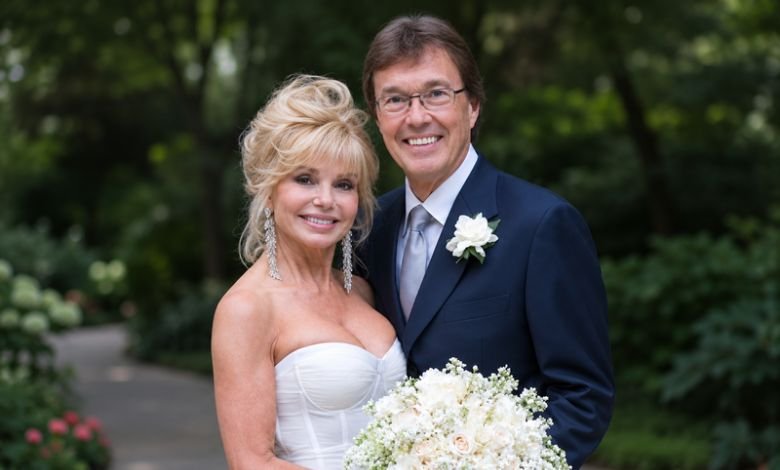
On 17 May 2008, exactly 45 years after their original meeting, they married in California.
The old photograph from 1963 became part of their wedding celebration. It was a lovely detail, connecting a moment from their younger lives with an occasion neither could have imagined at the time.
Anderson’s son, Quinton Reynolds, walked her down the aisle.
Their Marriage and the Loss of Loni Anderson
For much of their marriage, Bob Flick and Loni Anderson lived without making every part of their relationship public.
Anderson was already a well-known television personality, with a career that included comedy, drama and film appearances. Flick came from a different corner of entertainment, where live concerts and music production had shaped his working life.
Their marriage lasted just over 17 years.
Sadly, Loni Anderson died on 3 August 2025, aged 79, following a prolonged illness. She passed away only two days before her 80th birthday.
Flick was her husband at the time of her death.
News of her passing brought renewed interest in their relationship, especially the photograph that had connected their wedding day to their first meeting.
For many people, their story remains memorable because it shows how two lives can take very different directions and still come together many years later.
Bob Flick’s Age, Family and Net Worth
People searching for Bob Flick often want to know his age, family background and financial position.
Although his musical history is well documented, his exact date of birth is not clearly established in reliable public sources. He graduated from Ballard High School in 1956, but that fact alone does not confirm a precise birth date.
His personal finances are similarly private. Various celebrity websites publish estimates of his wealth, but there is no widely verified figure for Bob Flick’s net worth.
His income over the years has been connected with recordings, concert performances, arranging, composing and production work.
Family details have also appeared in reports about Loni Anderson’s death. Her survivors included Flick, her children and a stepson, Adam Flick.
Beyond those public details, much of Flick’s family life has remained outside entertainment headlines.
Why Bob Flick Still Matters in Folk Music
The music business has changed enormously since The Brothers Four started singing together. Record shops gave way to streaming platforms, television variety shows became less common, and countless new styles competed for attention.
Yet the songs Bob Flick helped popularise have not disappeared.
Part of their appeal lies in the uncomplicated arrangements. Listeners can hear the words, follow the melody and appreciate the singers working together.
Flick has spent decades supporting that musical tradition. His contribution is not limited to a famous recording from 1960; it also includes the work needed to keep those songs in front of audiences.
There is a quiet achievement in that. Not every musician needs to reinvent a sound to remain relevant. Sometimes preserving something valuable is an achievement in itself.
Conclusion
Bob Flick’s life connects several fascinating chapters of American entertainment history. He helped create The Brothers Four while still at university, experienced major success with Greenfields and spent decades performing music that continued to find appreciative audiences.
His marriage to Loni Anderson added a personal story that captured attention far beyond folk music circles. Their reunion after so many years remains one of the more unusual romantic stories associated with Hollywood.
But Flick’s greatest professional achievement is arguably his dedication to music. From small student performances to international concert halls, he kept returning to the songs that shaped his life.
And whenever Greenfields plays again, another listener has a chance to discover why The Brothers Four became so well loved.
Frequently Asked Questions
1. Who is Bob Flick?
Bob Flick is an American folk musician, bassist, composer and producer. He is best known as a founding member of The Brothers Four, the group famous for its 1960 hit Greenfields.
2. Who was Bob Flick’s wife?
Bob Flick was married to American actress Loni Anderson. Their wedding took place on 17 May 2008, and they remained married until her death in August 2025.
3. What is Bob Flick famous for?
He is famous for helping establish The Brothers Four and performing on songs such as Greenfields and The Green Leaves of Summer. He has also worked in music arranging and production.
4. How old is Bob Flick?
Bob Flick’s exact age cannot be confirmed from reliable public information because his full date of birth is not clearly documented.
5. What is Bob Flick’s net worth in 2026?
His exact net worth in 2026 is not publicly verified. He has built his career through live music, recording, composition and production work.