Simon Whittaker: The Paramedic Background and Creative Vision Behind His Photography Career

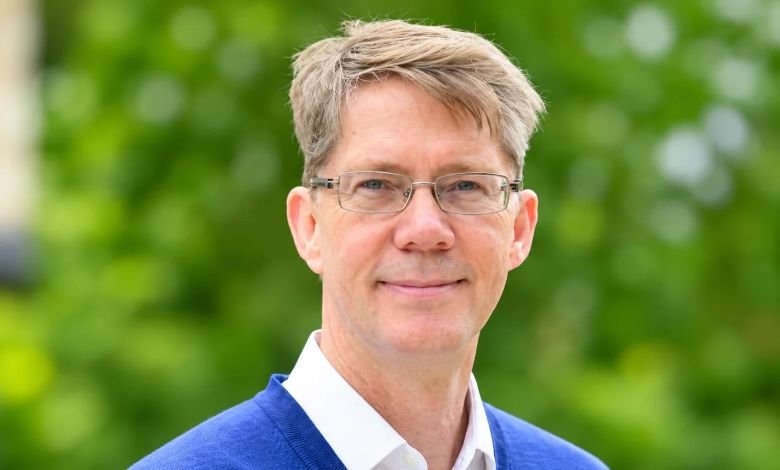
A workplace portrait and a photograph of a dancer serve different purposes. One introduces someone to potential customers; the other preserves a moment that may last only a second. Simon Whittaker has worked with both, building a photography career that moves between business, performance and community life.
Based in the Woolgoolga and Coffs Harbor region of New South Wales, Simon brings an unusual background to his work. Before developing his photography business, he worked as a paramedic. His interest in photography began much earlier, when his father introduced him to cameras, studio work, and the developing tray.
Quick Bio
| Field | Details |
|---|---|
| Full Name | Simon Whittaker |
| Nationality | Australian |
| Profession | Photographer |
| Business Name | Simon Whittaker Photography |
| Based In | Woolgoolga and Coffs Harbour region |
| State | New South Wales, Australia |
| Known For | Business photography, portraits and live performance photography |
| Former Profession | Paramedic |
| Ambulance Career | Finished ambulance work in Woolgoolga in 2014 |
| Early Inspiration | His father, a news and commercial photographer |
| Photography Education | Discussed studying photography at Coffs Harbour TAFE |
| Photographic Interests | Black-and-white photography and natural-looking portraits |
| Published Work | Photography credited by ABC News and Naidu Theatre Company |
| Notable Assignment | Photographing the Operation Paratus emergency-response simulation |
Who Is Simon Whittaker?
Simon Whittaker is an Australian photographer and the owner of Simon Whittaker Photography. His documented work includes professional portraits, workplace images, live performances and emergency-service photography.
His career is closely connected with the Coffs Coast. Local publications have featured his photographs, while arts organizations and national news coverage have credited his work.
Simon also shares his thoughts about photography publicly. He has discussed why businesses should show their own employees, how much retouching a portrait needs and when black-and-white treatment can strengthen a photograph. These comments offer an insight into how he approaches his subjects.
A Family Introduction to Photography
Simon’s father worked as a news and commercial photographer in Melbourne and Sydney. In a 2021 interview with Woopi News, Simon recalled spending school holidays in the studio and joining him on shoots.
He remembered the excitement of watching a photograph appear in a developing tray. That early encounter gave him an appreciation of the process behind an image.
His father insisted that he learn to shoot, develop and print black-and-white photographs before moving into color. Those lessons helped establish a lasting interest in monochrome photography.
From Ambulance Work to a Creative Career
Before building his photographic business, Simon worked as a paramedic. He told Woopi News that he finished ambulance work in Woolgoolga in 2014.
His later comments about emergency services show that this experience remains meaningful to him. He has written about the professionalism of rescue crews and the reassurance they brought when he needed their help during ambulance work.
Changing professions gave him a different way to engage with people. Photography involves its own practical demands: understanding a brief, watching expressions and deciding when to press the shutter.
His background becomes especially relevant when he photographs emergency personnel. Familiarity with their work gives him context for what’s happening around him.
Building His Knowledge Behind the Camera
Simon has spoken about continuing to develop his photography through study and guidance from experienced professionals. In his 2021 interview, he discussed undertaking photography study at Coffs Harbor TAFE.
Continued learning has a practical place in a varied photography career. A photographer working across portraits and performances cannot expect every assignment to follow the same pattern.
A portrait may allow time to adjust the lighting and help someone settle into position. During a live show, those opportunities disappear. The photographer must respond to what happens, often while the subject and lighting are both changing.
Business Photography with Recognizable Faces
One of Simon’s clearest public views concerns business photography. He encourages companies to feature their actual employees rather than depend entirely on stock photographs.
In a post discussing this approach, he shared staff images connected with Conplant. His point was that a business has something useful to show in the people already working there.
For a customer visiting a website, those photographs can answer basic questions. Who will handle the inquiry? What does the team look like? Where does the work happen?
A well-chosen workplace image can introduce the business quickly. It can also give the business a more specific identity, particularly when the photograph includes its own premises, equipment or working environment.
Professional Headshots and Natural Portraits
Simon has also discussed the editing involved in professional headshots. He prefers subtle retouching that keeps a person’s natural features and character.
That balance matters because a headshot often introduces someone before a meeting. It might appear on a staff page, a professional profile or an event program.
The image needs to be clear and carefully finished, but it should remain recognizable. Too much editing can become the first thing a viewer notices.
Simon’s comments acknowledge that modern cameras capture considerable facial detail. Discussing the finished look with a client gives both sides a chance to agree on what feels appropriate.
Photographing Theatre and Live Performance
Simon’s connection with the performing arts appears in published credits. Naidu Theatre Company names him among the photographers whose work features on its website.
Performance photography requires close attention to timing. A gesture, expression, or change in position may make the difference between a useful record and an image that carries the feeling of the scene.
There are practical limits too. The photographer works with the production’s lighting and cannot pause the performance to rearrange a moment.
These conditions make stage photography a distinct part of the craft. Following the action matters as much as understanding the camera, particularly when several performers are moving at once.
Music Photography and ABC News Credits
Simon’s work has also accompanied music reporting on the Coffs Coast. An April 2022 ABC News feature about musician Manduway Dutton included photographs credited to Simon Whittaker Photography.
The images showed Dutton with members of the Australian String Quartet. They appeared alongside coverage of his musical work connected with the Coffs Harbor Festival of Chamber Music.
This provides a specific example of Simon’s photography reaching audiences beyond a local business website or social media page.
It also illustrates the role photographs play in a music story. Readers can see the performers, their instruments, and the collaboration being discussed.
Choosing Between Color and Black and White
Black-and-white photography remains an interest in Simon’s work. He has explained that color can sometimes compete with the main subject, particularly in performance photographs.
Removing it can change an image’s balance. A viewer may pay closer attention to a face, the shape of a movement or the relationship between light and shadow.
Color has its own purpose, however. Simon has said that he normally uses it for business photography, where it can help images attract attention.
His comments suggest a choice made around the photograph itself. The useful question is which version helps the subject come through most clearly.
Returning to Emergency Settings with a Camera
Simon’s former profession and photographic work came together when he documented Operation Paratus, a multi-agency mass-casualty simulation.
He explained that he had attended mass-casualty incidents and exercises as a paramedic. This assignment allowed him to photograph a response from close to the action.
He also clarified that trainee paramedics and other emergency-service personnel played the patients and bystanders. The scenes recorded a training exercise.
For an outside viewer, photographs like these can reveal details that are hard to understand from a description alone. They show personnel working together and the conditions created to test their response.
Conclusion
Simon Whittaker’s photography career brings together an early grounding in the craft, experience in ambulance service and work across several visual subjects.
His professional identity becomes clearest through specific examples: staff photographs, restrained headshot editing, performance images and emergency-service coverage. Across those settings, his comments show an interest in making thoughtful choices about how people appear in a photograph.
Frequently Asked Questions
1. Who is Simon Whittaker?
Simon Whittaker is an Australian photographer associated with Woolgoolga and Coffs Harbor. His work includes business imagery, portraits, live performances, and emergency-service photography.
2. What did Simon Whittaker do before photography?
He worked as a paramedic. He has spoken publicly about his ambulance career and his experiences with other emergency-service professionals.
3. How did Simon Whittaker become interested in photography?
His father was a professional photographer. Spending time around his studio and learning black-and-white photography introduced Simon to the craft.
4. Has Simon Whittaker’s work appeared in ABC News?
Yes. ABC News credited his photographs in a 2022 feature involving musician Manduway Dutton and members of the Australian String Quartet.
5. What is Simon Whittaker’s approach to headshot editing?
He favors subtle retouching that preserves natural features and character, helping the finished portrait remain recognizable.