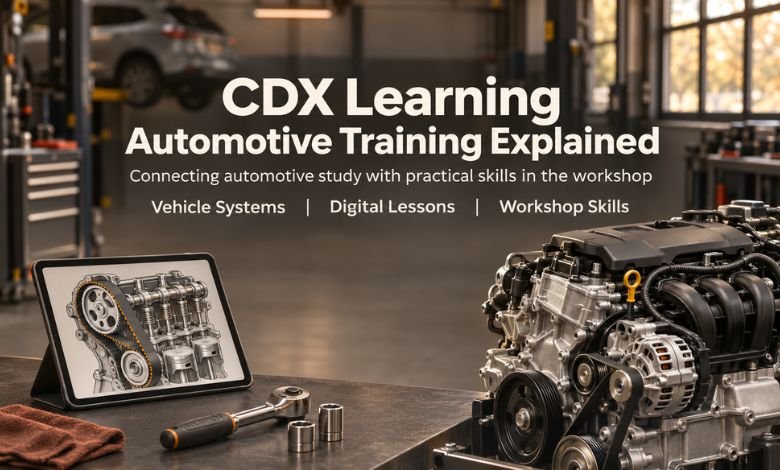
Learning to repair vehicles can feel overwhelming at first. There are unfamiliar tools, technical terms and systems that are difficult to understand from a single explanation. CDX Learning provides study resources that help students work through these subjects as part of their technical education.
The platform brings together course reading, visual explanations and learning activities. For students, the important question is how those resources fit into everyday study and practical training.
Whether you are preparing for your first automotive class or exploring a more advanced course, understanding the basics can save confusion later. Here is what CDX offers, how course access works and how to make better use of the learning materials.
What Is CDX Learning?
CDX Learning Systems develops educational materials for automotive and related technical subjects. It operates as a division of Jones & Bartlett Learning and offers resources covering passenger vehicles, diesel engines, commercial vehicles and heavy equipment.
Its materials support different stages of training. Some introduce the foundations of vehicle maintenance, while others explore more advanced systems and diagnostic work. The resources a student receives depend on the programme, product and course selected by their institution.
Think of it as a study resource that sits alongside teaching. Your instructor sets the learning direction, while the course materials provide explanations and activities you can return to between lessons.
Why Understanding Matters More Than Memorising
A student may remember the name of a component without understanding what it does. That gap becomes clear when a teacher asks how the component affects the rest of the vehicle or what might happen if it fails.
Good technical study goes beyond remembering definitions. It means connecting a part with its purpose, recognising how systems interact and knowing what information is needed before reaching a conclusion.
For example, learning about a starting system should involve more than identifying the battery and starter motor. Students also need to understand the relationship between the parts. This habit of asking how and why gives technical knowledge a practical purpose.
Which Subjects Does CDX Learning Cover?
The CDX range includes Maintenance and Light Repair, Fundamentals of Automotive Technology and the Master Automotive Technician Series. These offer different levels of coverage, making it important to check which resource matches your class.
Other subject areas include medium and heavy duty diesel engines, commercial vehicle systems and mobile heavy equipment. Students training to work on passenger cars will therefore have different material requirements from those studying trucks or construction machinery.
Dedicated hybrid and electric vehicle resources are also available. These introduce subjects such as batteries, electric motors, power conversion and safety. Coverage varies between titles, so students should check the specific course rather than assume every package contains the same lessons.
How Digital Lessons Fit Into Technical Study
Some mechanical processes are hard to picture when you have only a written description. Videos and animations can provide another way to examine how parts move, how systems operate and how a procedure is organised.
Interactive learning resources can also give students opportunities to check their understanding. Depending on the course, these may include questions, assessments and tasks linked to the lesson.
However, watching a process is only the beginning. After a lesson, try describing it in your own words. If you cannot explain the main idea without repeating the textbook, return to the section that confused you and identify the missing connection.
Getting Your CDX Learning Account Ready
Before setting up an account, check the instructions supplied by your school or instructor. Having the correct product details ready makes the process easier and reduces the chance of activating the wrong resource.
An access code and a Course ID serve different purposes. The access code activates the learning material associated with a purchase. A Course ID is used, where required, to connect your account with an instructor’s class.
This distinction matters because having an account does not always mean you have joined the correct course. If your class is missing, check your enrolment details with the instructor before buying another product or creating a second account.
What to Check Before Buying Course Materials
Start with the exact title and edition requested by your institution. Similar product names can make shopping confusing, especially when textbooks, online access and combined packages appear together.
Check what the purchase includes and how long digital access lasts. A printed book and an online course are different items unless the product description clearly says they are bundled.
If you are considering a used textbook, confirm whether you also need separate digital access. A book being suitable for reading does not establish that it includes usable online course access. Getting these details right before payment can prevent unnecessary expense.
A Study Routine That Makes Lessons More Useful
Begin each study session with one clear goal. You might aim to understand a system’s purpose, review an unfamiliar term or prepare for the next practical lesson. A small target is easier to manage than trying to learn an entire chapter at once.
Read the assigned material and note the points that need more attention. Then use the related visual resources, where available, to revisit those ideas. Keep notes brief and useful rather than copying long passages.
After an assessment, review the reasoning behind your mistakes. A corrected answer is helpful, but understanding why you chose the wrong one gives you something specific to improve before the next lesson.
Why Workshop Practice Still Matters
Online study gives students time to prepare and review. Practical training introduces the physical side of the work: handling equipment, taking measurements, following instructions and responding to feedback.
These experiences support each other. A lesson can make a workshop demonstration easier to follow, while a practical session can reveal which parts of the theory still need attention.
For example, a student might understand a measurement when reading about it but feel unsure when using the equipment. That uncertainty is useful information. It shows where more supervised practice or explanation is needed.
Building Better Diagnostic Habits
Diagnostic thinking starts with understanding the problem before deciding on a repair. Students benefit from learning to ask clear questions, gather evidence and explain what a result suggests.
A useful classroom habit is to separate an observation from a conclusion. “The component does not operate” describes what happened. Deciding why it happened requires further information.
During study, practise explaining what you would need to check next and why. Even when you do not yet know the answer, a clear line of reasoning gives your instructor a better starting point for guidance.
Conclusion
CDX Learning can support technical education by giving students organised material to study before and after practical lessons. Choosing the right course, understanding account access and reviewing difficult topics all help make those resources more useful.
The strongest approach is consistent and active: study with a purpose, explain ideas in your own words and bring questions into class. Over time, those habits help turn unfamiliar information into knowledge you can apply with greater confidence.
Frequently Asked Questions
1. Who is CDX Learning designed for?
CDX provides resources for students and instructors in automotive and related technical education. Its range includes introductory materials and more advanced subjects, so suitability depends on the particular course and the learner’s experience.
2. Can beginners study with CDX Learning?
Yes. Resources such as Maintenance and Light Repair introduce foundational knowledge for entry level training. Beginners should follow the programme selected by their instructor and ask for help when a lesson assumes knowledge they have not yet developed.
3. Why might my course be missing after I log in?
You may need to redeem the correct access code or enter the Course ID supplied by your institution. Check your course instructions and account details first. Your instructor can help confirm whether you have enrolled in the intended class.
4. Can CDX resources help with ASE preparation?
Relevant CDX materials cover subjects connected with ASE standards and certification goals. Students should check which areas their course addresses and treat preparation materials, classroom completion and certification requirements as separate parts of their training.
5. Is reading the material enough to develop repair skills?
Reading builds understanding, but practical ability also requires supervised experience. Use the learning material to prepare for demonstrations, ask informed questions and review what you practised. Progress comes from connecting knowledge with careful application.