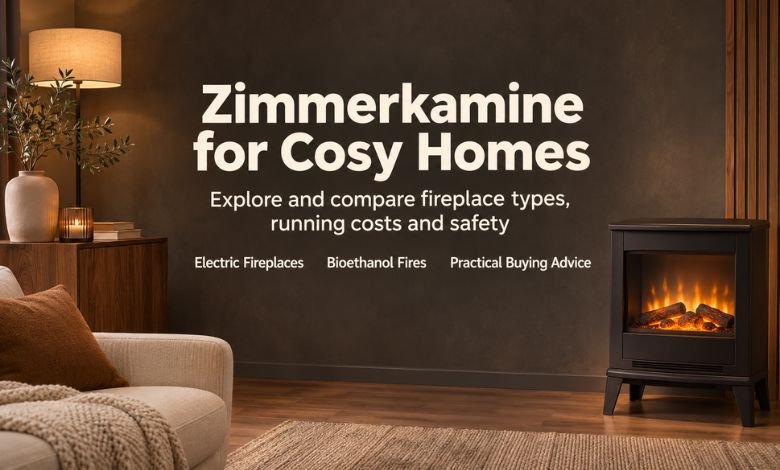
A fireplace can make a room feel more welcoming without changing everything around it. Its gentle glow creates a natural gathering point, whether you are enjoying a quiet evening, reading a book or spending time with family. Zimmerkamine offer several ways to bring that atmosphere into your home, including options for properties without a traditional chimney.
However, choosing a room fireplace involves more than finding an attractive flame. Electric models and bioethanol fireplaces work differently, and those differences affect installation, heating, maintenance and safety. Before buying, decide whether you want decoration, additional warmth or both. Understanding the practical details will help you choose a fireplace that suits your room, budget and everyday routine.
What Are Zimmerkamine
Zimmerkamine is a German term meaning “room fireplaces”. It describes a broad group of products rather than one particular technology. You may see the word used for electric stoves, wall-mounted flame displays, decorative ethanol burners and larger fireplace units designed for living spaces.
Because the term covers different appliances, always read the individual specifications. Check the power source, heating function and installation requirements. A fireplace may be intended mainly for atmosphere, while another model includes a heater. Similar-looking products can offer very different experiences once they are installed.
Understanding the Main Types of Room Fireplaces
The main distinction is between fireplaces that burn fuel and those that create a flame effect. Bioethanol models produce real flames, while electric fireplaces use lighting, reflections or illuminated water mist. This difference influences everything from daily operation to the care required around the appliance.
Think about how you expect to use your fireplace. Some people want a decorative display during evening relaxation, while others need occasional additional warmth. A clear purpose makes comparison easier and helps you avoid paying for features that add little to your home.
Bioethanol Zimmerkamine and Their Limitations
Bioethanol fireplaces burn an alcohol-based liquid fuel. Their appeal comes from the movement of real fire and designs that do not require logs or produce wood ash. Many decorative models have no chimney connection, which can make them appear convenient for homes without an existing fireplace.
However, chimney-free does not mean emission-free. Combustion products enter the surrounding room, making indoor air quality an important concern. Flammable fuel also introduces storage and refilling risks. The absence of visible smoke should never be treated as proof that an appliance is harmless or suitable for every indoor setting.
Electric Zimmerkamine and Modern Flame Effects
Electric fireplaces create their display without burning fuel. Some imitate glowing logs, while others offer a broad flame effect with adjustable brightness or colours. Water-mist designs provide another visual option, although their appearance and maintenance needs differ from simpler lighting-based models.
Many electric fireplaces offer independent flame and heating controls. This allows the display to operate without adding warmth during milder weather. Check this feature before ordering, since controls vary between products. Seeing a working model can also help you decide whether its flame effect looks convincing in normal room lighting.
How Much Heat Can a Fireplace Provide
A realistic flame display does not tell you how much heat an appliance produces. Some electric fireplaces are decorative only, while others include a heater for additional room warmth. Look for the stated output, available settings and thermostat controls rather than judging performance from appearance.
The room itself matters, too. Insulation, draughts, ceiling height and open doorways affect comfort. Bioethanol burners release warmth, but ventilation requirements and indoor emissions make them a poor choice for primary heating. Plan your essential home heating separately from choosing a decorative fireplace feature.
Understanding Zimmerkamine Running Costs
For electric heating, use power in kilowatts × hours used × electricity price per kilowatt-hour. As an example, a heater drawing 2 kW continuously for one hour at an illustrative rate of €0.30 per kWh would cost €0.60. This is a calculation example rather than a current tariff quotation.
Flame-only operation has a different electricity demand, so check that figure separately. For ethanol models, multiply the stated hourly fuel consumption by your actual price per litre. Include delivery charges where relevant. Compare the settings you expect to use rather than relying on a general claim about hourly running costs.
Choosing the Right Size and Position
A fireplace should look balanced within its surroundings. A very wide model can dominate a small living room, while a compact unit may appear lost against a large wall. Consider the view from the main seating position and how the appliance relates to nearby furniture.
Measure before buying, including required safety clearances and access for cleaning. Keep walkways practical and avoid positions where the appliance could easily be knocked. If you want a television above it, check the instructions for both products. Heat, airflow and clearance requirements should guide that arrangement.
Freestanding Wall Mounted and Built In Designs
Freestanding fireplaces can suit rooms with an appropriate floor position and access to the necessary power supply. Traditional electric stove shapes offer a familiar appearance, while simpler designs can blend into modern interiors. Their placement still needs to follow instructions for stability, spacing and airflow.
Wall-mounted and built-in models require closer installation planning. Check the wall, fixings, recess dimensions and electrical arrangements before ordering. Future maintenance also matters. A fitted surround should not prevent access to parts that need cleaning or servicing, even if hiding everything creates an attractive initial finish.
Safety Details That Deserve Attention
With ethanol burners, never add fuel while the appliance is burning or hot. A faint flame may be difficult to see, and adding fuel can cause a dangerous flare-up. Never move a lit burner or leave it unattended. A glass surround does not remove the risks of open fire.
Electric fireplaces also require careful use. Heating outlets can become hot, and damaged cables, plugs or sockets need attention. Keep combustible materials at the specified distances and follow the power-supply instructions. Children and pets should influence both your choice of appliance and its position within the room.
Maintenance and Everyday Convenience
Before buying, find out what regular care involves. Water-mist models may require tank refilling and cleaning, while electric heating appliances need their airflow openings kept clear according to the manual. Always switch off the fireplace and follow any cooling instructions before cleaning accessible parts.
Controls can make a noticeable difference to everyday enjoyment. Look for clear switches, a straightforward remote and useful temperature settings. If possible, listen to the heater operating. Ask about replacement parts and customer support, since these practical details often matter more over time than extra display settings.
Conclusion
Zimmerkamine can give your home a welcoming focal point, but the right choice depends on more than attractive flames. Decide whether you want atmosphere, additional warmth or both. Then compare the technology, installation, running costs and everyday care involved, with safety forming part of the decision from the beginning.
For an indoor flame effect without burning fuel in the living space, an electric model offers a practical option. Take time to compare models and imagine using the fireplace throughout the year. A suitable choice should complement your room, remain manageable to maintain and provide enjoyment beyond its first impressive evening.
Frequently Asked Questions
1. Do Zimmerkamine Need a Chimney
Many electric and decorative bioethanol models do not. However, the term covers different appliances. Conventional wood-burning fireplaces and stoves require an appropriate flue arrangement, so always check the exact product requirements.
2. Can Electric Fireplaces Work Without Heat
Many models allow the flame display to operate independently of the heater. Confirm this feature before buying if you want a decorative fireplace that can be enjoyed throughout the year.
3. Are Bioethanol Fireplaces Suitable for Every Indoor Room
No. Indoor emissions, open flames, fuel handling and room conditions raise concerns. A chimney-free description does not establish that an appliance is suitable for your particular living space.
4. Are Room Fireplaces Expensive to Run
Costs depend on consumption, settings, operating time and local prices. Calculate electric heating and flame-only operation separately. For ethanol models, use the stated fuel consumption and actual fuel price.
5. What Should You Check Before Ordering
Check dimensions, clearances, heating output, installation requirements and maintenance needs. Read the instructions beforehand and consider the full cost of ownership, including installation and regular operation.